Health and Migration in the New Global Health Architecture: Recognizing migration as a determinant of health

Presentation

The evolving global health landscape—shaped by pandemics, climate change, conflict and unprecedented human mobility—calls for a renewed global health architecture that is more inclusive, equitable and responsive. Yet despite migration being one of the defining realities of our time, health and migration still lacks a clearly established institutional and conceptual “home” within global public health. Too often, migration is approached primarily through humanitarian, security or border management lenses, while its implications for health systems and population health remain insufficiently integrated into mainstream public health policy and practice.

Ensuring equitable access to health services for migrants, refugees and displaced populations is not only a human rights obligation but also a public health necessity that strengthens health security, social cohesion and universal health coverage. As the normative authority for global health, the World Health Organization (WHO) has increasingly positioned migration as a strategic health systems issue through the Global Action Plan on Promoting the Health of Refugees and Migrants (2019–2030), the Second World Report on the Health of Refugees and Migrants, and support to Member States in integrating migration into health policies, primary health care, emergency preparedness and health information systems.

Research and evidence are central to consolidating this shift. WHO has identified health and migration as a priority area for research agenda setting and developed a Global Research Agenda (GRA) and methodological protocol to support research priority-setting across global, regional and national levels. Over the past three years, WHO’s Health and Migration team has implemented research agenda-setting exercises across multiple levels and contexts, generating evidence on both priority research needs and effective approaches to designing and implementing these processes. This work has demonstrated the value of adapting research agenda-setting approaches to different political, geographical and migration contexts, while retaining a common methodological foundation. The experience to date indicates that the GRA provides a flexible and transferable framework that can be applied across regions, countries and thematic areas to strengthen the coherence, relevance and impact of research on health, migration and displacement.

A renewed global health architecture should recognize migration as a permanent and cross-cutting determinant of health, positioning it firmly within resilient, people-centred health systems.  Embedding health and migration more firmly within global public health policy, research and governance can help move the field beyond fragmented, crisis-driven responses towards sustainable, evidence-informed approaches. Strengthening the evidence base through coordinated research priority setting will be essential to this transition, ensuring that research responds to the needs of diverse migration contexts and that evidence can inform policies capable of protecting the health of all populations, while advancing health equity, universal health coverage and global health security.

Objectives

This event aims to:

  • Highlight gaps and opportunities to better integrate, both institutionally, and conceptually refugees, migrants and displaced populations within global public health.
  • Present good practices and practical experiences on multilevel research agenda setting on health and migration
  • Share country experiences, good practices and practical approaches for integrating the refugee and migrant health in research, policy and health systems.
  • Facilitate dialogue and strengthen collaboration among Member States, UN agencies, civil society, and academia to strengthen the positioning of the refugee and migrant health in the global health architecture.

Speakers

Julia BRANDENBERGER
Senior Physician
Inselspital, University Hospital Bern
Switzerland
Annalee COAKLEY
Professor, Director
University of Calgary, Society of Refugee Healthcare Providers
Canada
Jessica FRAGNIERE
Director
ActLab
Switzerland
Kahled ISMAIL
Professor of Obstetrics and Gynaecology
Charles University
Czech Republic
Yves JACKSON
Head of the Community Medicine and Care Unit (UMSCOM)
Geneva University Hospitals
Switzerland
Santino SEVERONI
Head of WHO Special Initiative on Health and Migration,
World Health Organization
Switzerland

Agenda

11.00

Panel introductif

  • Santino Severoni, Head of WHO Special Initiative on Health and Migration, World Health Organization
11.30

Three parallel workshops

  • Practices that are transforming approaches to migrant health
    Drawing on experiences from the field to identify inspiring practices and levers for action.


  • Data and knowledge to drive change
    How can research and evidence contribute to transforming practices and public policies?


  • Public policies that promote the health of migrants
    What role can public authorities play in creating enabling frameworks for sustainable action?

12.30Wrap-up and next steps
13.00Coffee break and networking

Organizers

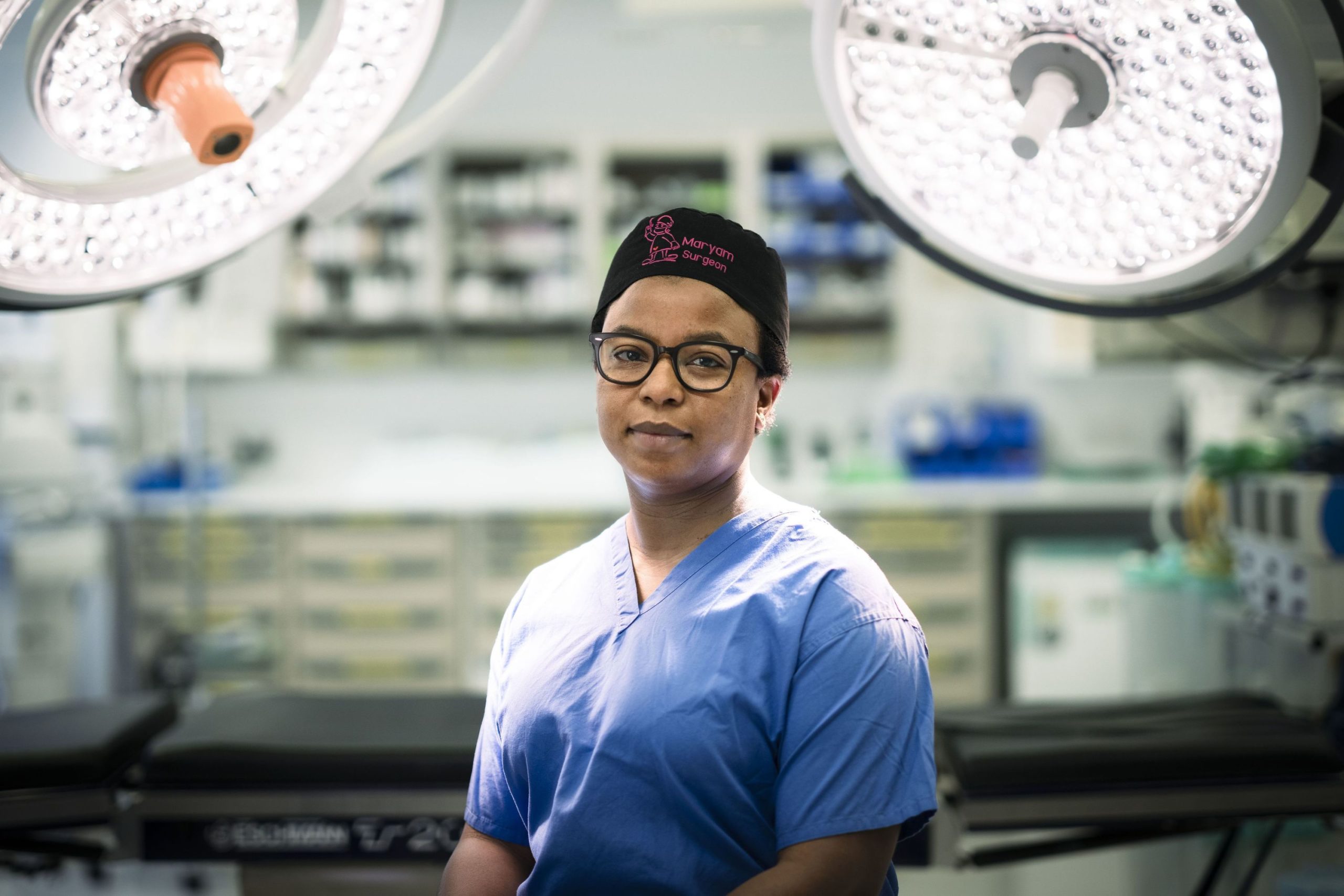
Photo credit : JJ Keith

The photos are taken from the exhibition by photographer JJ titled “Open Britain X Imperial College Healthcare”. See exhibition.

Event

Health and Migration in the New Global Health Architecture: Recognizing migration as a determinant of health