Protecting Health Care from Attacks: From Frontline Experience to Action

Presentation

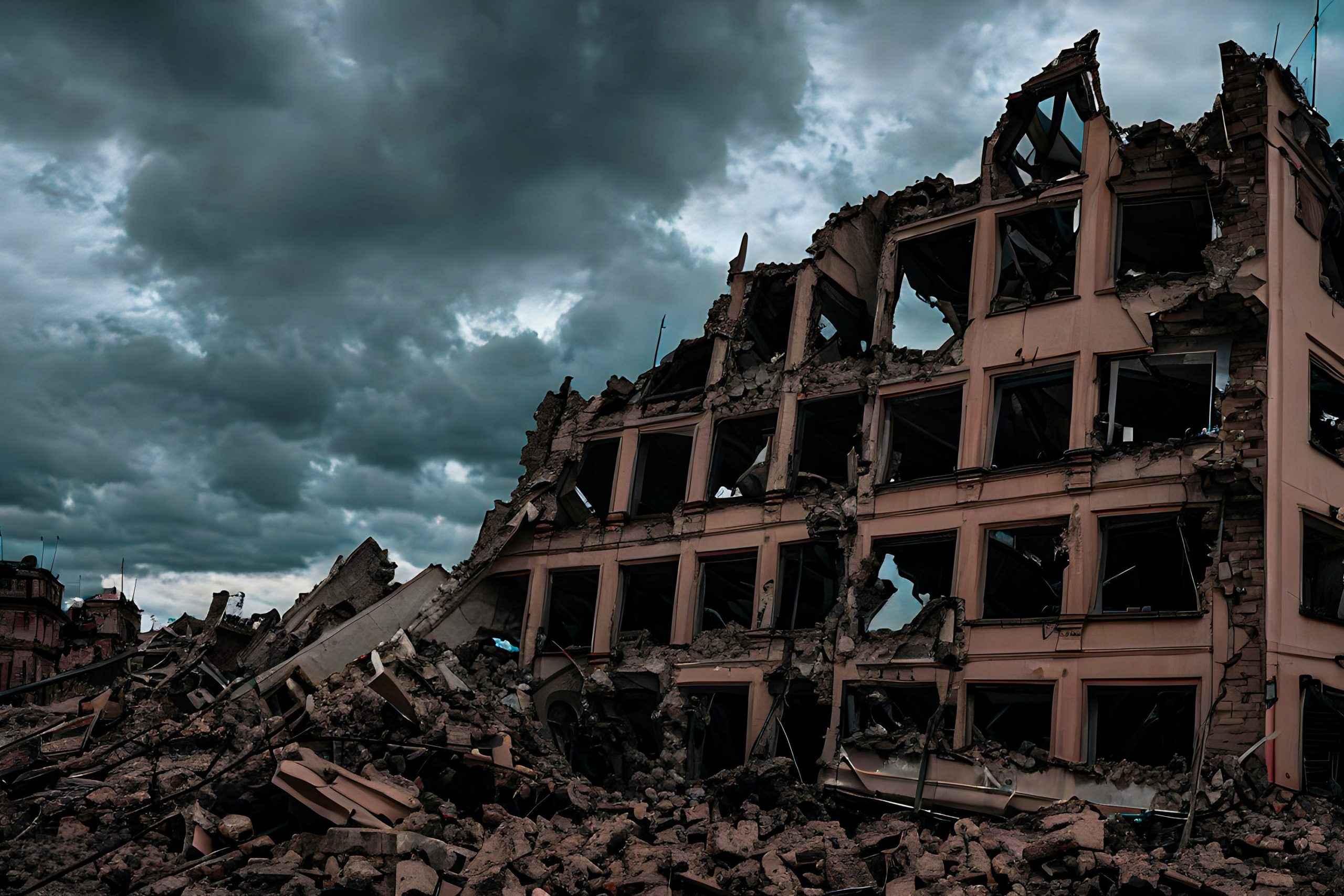
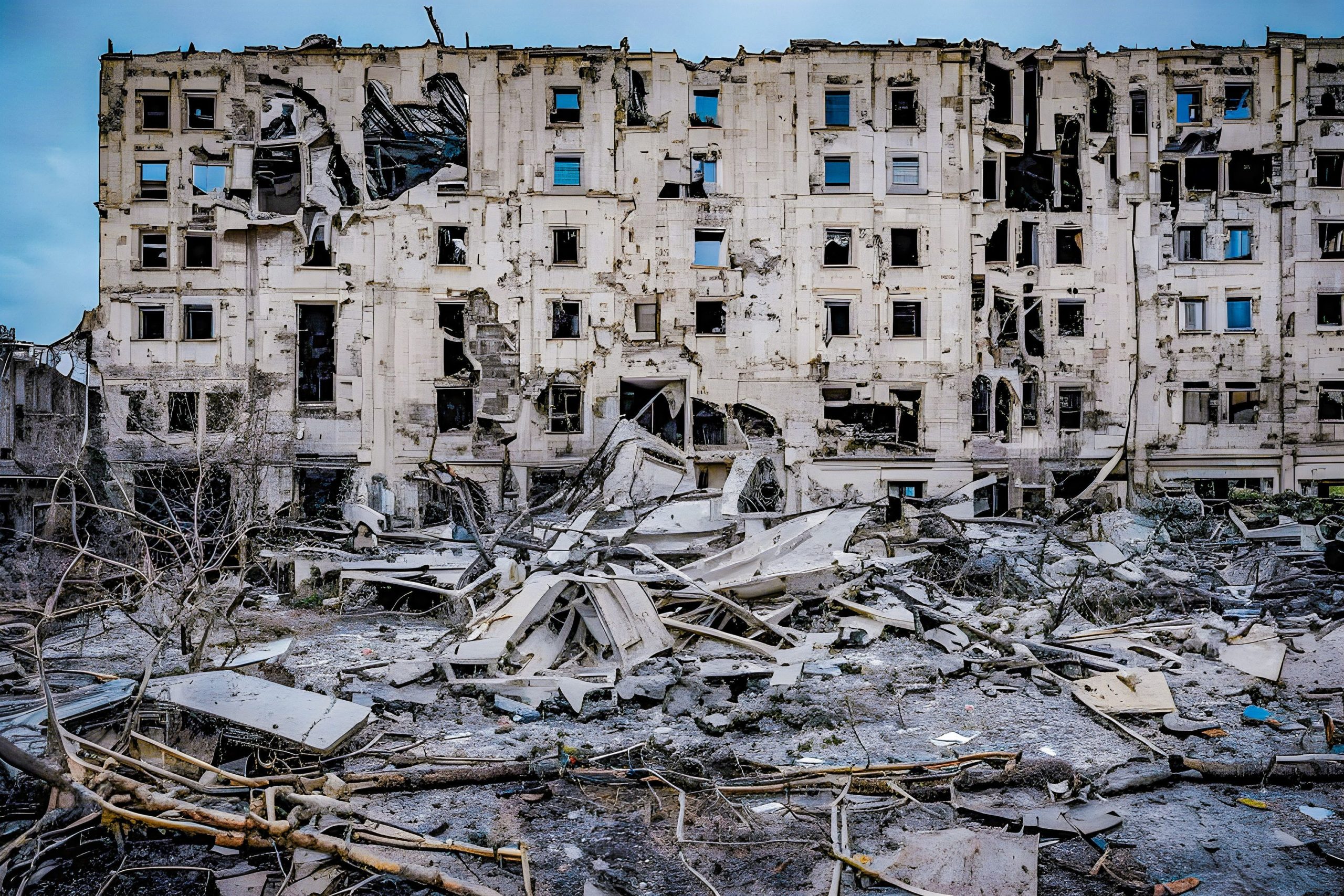
Health care workers, patients, facilities, ambulances and other health care assets are exposed to violence, threats, obstruction and other forms of interference. These incidents have consequences beyond immediate deaths and injuries, disrupting essential health services, undermining health systems and affecting the communities that depend on them. Despite existing international norms, commitments and recommendations, attacks and other forms of violence affecting health care persist. 

This session brings together health care workers, NGOs, civil society organisations, health care institutions and international organisations to exchange perspectives on the realities of protecting health care, drawing on direct field experience from conflict-affected and other insecure settings where available. Through brief scene-setting interventions and a moderated, interactive discussion, it will look at the scale and impact of attacks, the challenges of protecting health care in practice, and practical measures to document incidents, mitigate risks, support affected health care workers and maintain the continuity of health services. The aim is to move beyond awareness of the problem towards what different stakeholders can do to strengthen protection, support those affected and advance existing commitments, and to identify opportunities for collaboration. 

Objectives

This session aims to: 

  • Raise awareness of the scale and continuing impact of attacks on health care. 
  • Highlight the challenges faced by health care workers and organizations delivering and supporting health care in affected settings, drawing on direct field experience where available. 
  • Exchange perspectives on practical measures to document incidents, mitigate risks, support affected health care workers, and maintain the continuity of health services. 
  • Identify opportunities for collaboration among health care institutions, NGOs, CSOs, humanitarian organizations, and international partners. 

Speakers

Agenda

14.00 Welcome address
  • A representative of World Health Organization
14.05 High-level panel
  • Erika Placella, Head of the Global Programme Health, Swiss Agency for Development and Cooperation
  • Wahid Majrooh, Former Minister of Public Health of Afghanistan
  • Razia Pendse, Chef de Cabinet, World Health Organization
15.00 Coffee break and networking
15.30 Interactive workshops
  • Workshop 1: From evidence to decisions: translating science for policy action
  • Workshop 2: Strengthening health systems through evidence-informed policy
  • Workshop 3: Citizen-generated knowledge for science and public health
  • Workshop 4: Social listening and citizen participation across the policy cycle
17.00 Plenary reporting back, discussion and closing remarks
  • Micka Lab
17.30 Networking reception and light refreshments

Organizers

Credit photo: Jade Koroliuk sur Unsplash

Event

Protecting Health Care from Attacks: From Frontline Experience to Action