Universities as Partners in International Cooperation: Building Fairer Partnerships​

Presentation

Universities are key players in international cooperation, though they often go unrecognized. Through their research, teaching, and student mobility activities, as well as partnerships with local institutions, they have the potential to contribute to sustainable, locally grounded, and mutually beneficial development and global health initiatives. Yet, this potential remains poorly understood and too often underutilized.

This holds true for universities in the Global South as well: far from being mere beneficiaries or implementing partners, they are key actors possessing local expertise and institutional knowledge, capable of defining priorities and solutions tailored to their specific contexts. Strengthening cooperation therefore requires moving beyond traditional North-South models in favor of more balanced, reciprocal partnerships.

Interactions between NGOs and local universities in countries of operation are still in their infancy, yet existing experiences show promise.

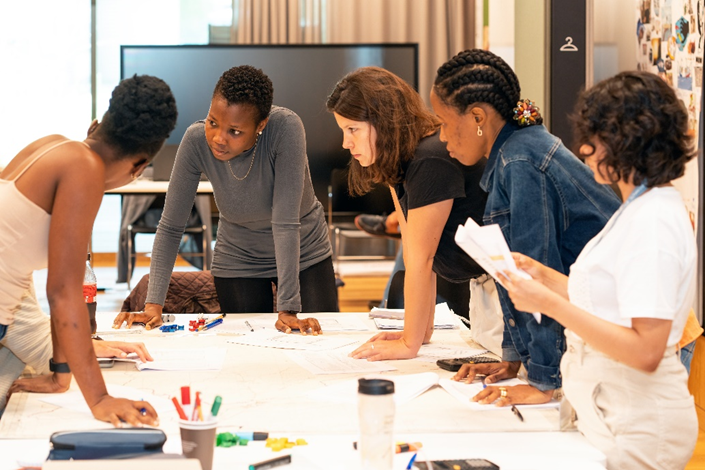
This session will examine how universities in the North and South can better leverage their respective strengths and build forms of cooperation that are more equitable, sustainable, and impactful, in collaboration with traditional international cooperation actors.

Three participatory roundtables will address the following themes:

  • the development of effective cooperation initiatives by universities;
  • the contribution of student internships to cooperation dynamics;
  • Collaboration between international solidarity NGOs and local universities in countries of operation.

Objectives

This event aims to 

  • To gain a better understanding of cooperation initiatives developed by universities in the North and South;
  • To formulate concrete recommendations that universities, NGOs, and their partners can implement to strengthen equitable collaboration.

Speakers

Florence CAVAILLE
Expert in international hospital cooperation project management
Independant
France
Catherine DIXON
Executive Director
University if Geneva, InZone
Switzerland
Michaela DORCIKOVA
Programme Coordinator for Health and Development
United Nations Institute for Training and Research (UNITAR)
Belgium
Bruno LAB
Head of Humanitarian Affairs & International Cooperation
Geneva University Hospitals
Switzerland
Stephanie MVODO
Professor
University of Buea
Cameroon
Nicole NIEDERBERGER
Health adviser
Médecins du Monde Switzerland
Switzerland
Manon OLLAGNON
Assistant physician
University of Geneva, Geneva University Hospitals (HUG)
Switzerland
Fabrizio TEDIOSI
Associate Professor of Global Health
Univeristy of Milano
Switzerland

Agenda

14.00

Introductory panel : 

  • Bruno LAB, Copresident du Geneva Health Forum, coordinator of the Humanitarian Affairs in Geneva University Hospital (HUG)
  • Michaela DORCIKOVA, Programme Coordinator for Health and Development, UNITAR
14.30

3 Participatory Roundtables (in parallel)

  • The development of effective cooperation initiatives by universities;
    • Florence CAVAILLE, Expert in international hospital cooperation project management
    • Catherine DIXON, Executive Director of InZone, University of Geneva


  • The contribution of student internships to cooperation dynamics;
    • Manon OLLAGNON, Assistant physician, University of Geneva, Geneva University Hospitals (HUG)
    • Stephanie MVODO, Professor, University of Buea, Cameroon


  • Collaboration between international solidarity NGOs and local universities in countries of operation.
    • Nicole NIEDERBERGER, Health adviser, Médecins du Monde Switzerland
    • Fabrizio TEDIOSI, Associate Professor of Global Health, University of Milano
15.30Plenary reporting back, discussion and closing remarks
16.00Networking reception and light refreshments

Organizers

Event

Universities as Partners in International Cooperation: Building Fairer Partnerships​