Scientific advances are transforming health at an unprecedented pace. Breakthroughs in areas such as genomics, artificial intelligence, precision medicine, digital health and biotechnology are expanding our ability to prevent disease, improve care and respond to emerging threats. Yet research is often perceived as the domain of experts, distant from the realities, experiences and concerns of everyday life. As a result, there is a growing risk that science becomes disconnected from the societies it is intended to serve. This is particularly important in health, where scientific progress only fulfils its purpose when it translates into healthier lives.
At the same time, policy-makers must navigate rapidly evolving evidence, competing priorities and increasingly complex information environments. They must balance scientific evidence with social, economic and political considerations while responding to growing health needs, changing disease burdens and public expectations. The increasing volume of data, rapid advances in artificial intelligence, and the spread of misinformation and disinformation further complicate how evidence is generated, assessed and used. These challenges call for renewed engagement and dialogue among scientists, policy-makers and society. Citizens and civil society also need opportunities to help shape research priorities and contribute to the generation, interpretation and use of knowledge. Integrating diverse perspectives and lived experiences can make science more responsive to societal needs and strengthen its translation into policy and practice.
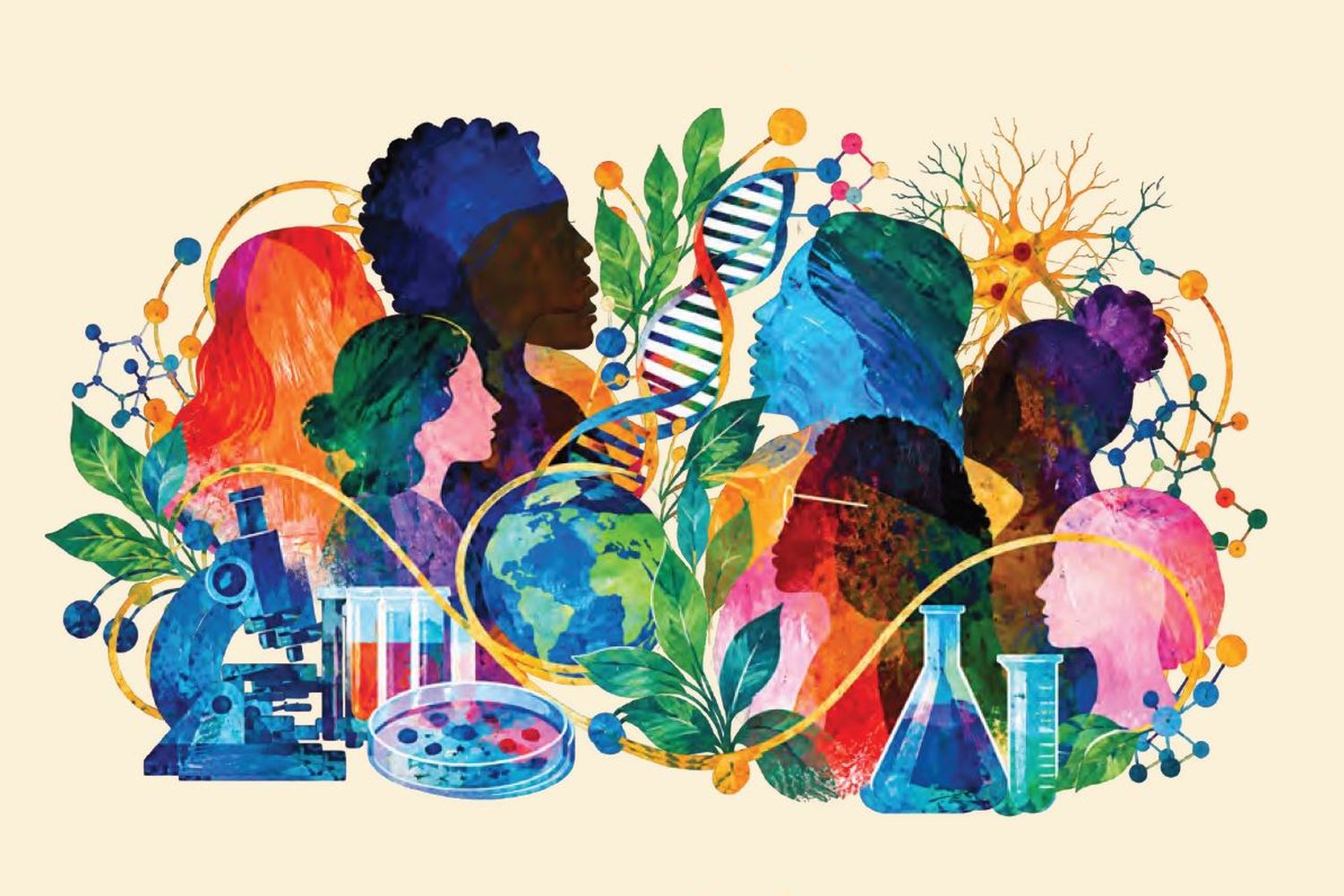
In this context, WHO is launching Together for Science & Health, a global movement bringing together scientists, policy-makers, health professionals, communicators, civil society organizations, young people and communities around a shared commitment to science as a foundation for better health. Inspired by the HIV red ribbon as a visible symbol of solidarity around a common cause, the movement seeks to build visibility, engagement and collective action around the role of science in advancing health and well-being for all. Through three interconnected areas of collaboration, science-policy, science-society and science-communication, it will foster exchange, strengthen dialogue and better connect scientific knowledge with policy-making and societal needs.
WHO will launch the movement globally on 10 November 2026, coinciding with World Science Day for Peace and Development. A launch event will be held on the opening day of the Geneva Health Forum (10–12 November 2026) at Campus Biotech in Geneva. Building on the Forum’s convening power and Geneva’s rich science, health and innovation ecosystem, the event will explore how closer connections between science, policy and society can improve health outcomes and decision-making.
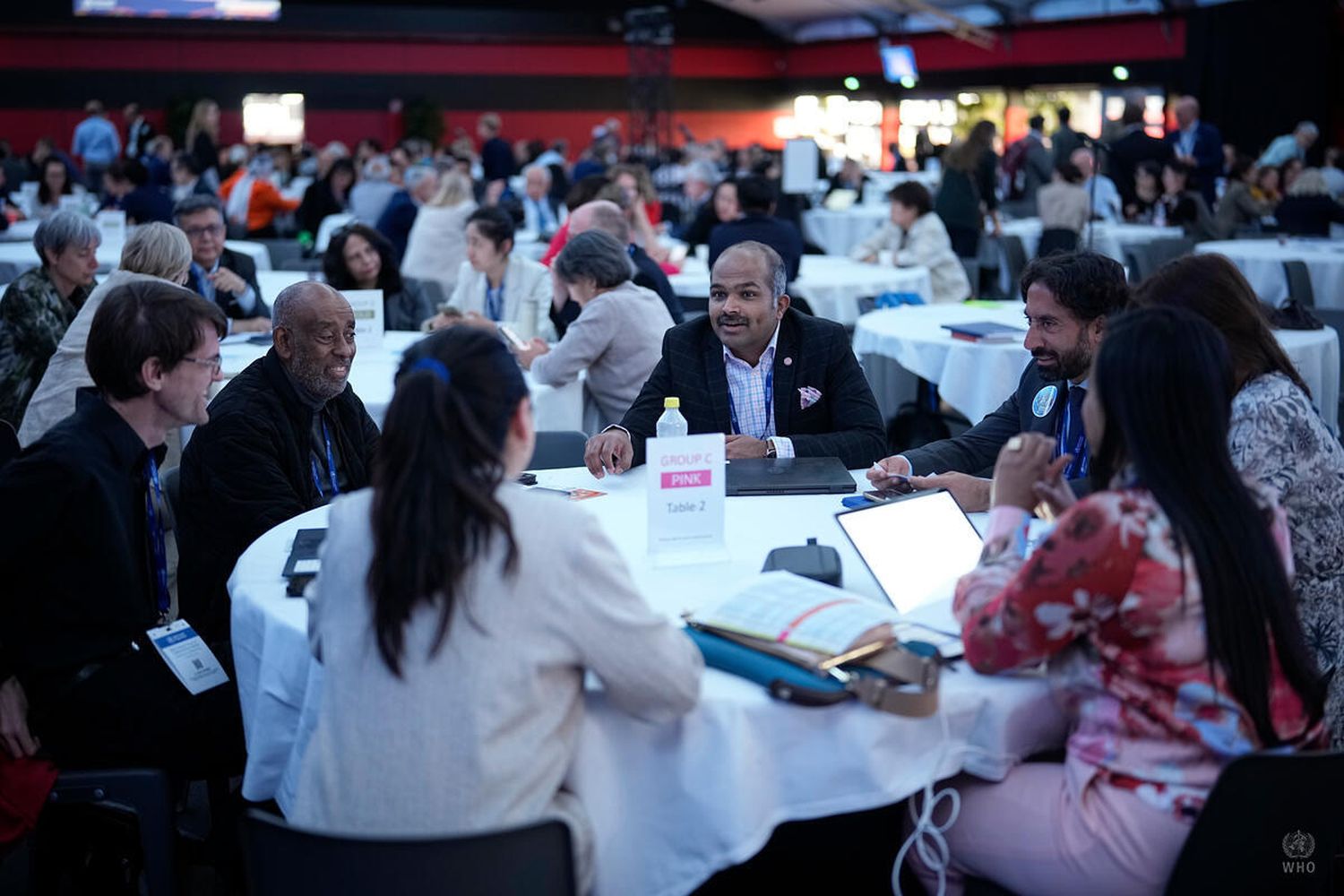
The event will build momentum for Together for Science & Health by examining how scientific evidence can better inform public policy and how participatory approaches can bring science, policy and society closer together. It will formally introduce the movement to the Geneva Health Forum community and invite partners across sectors, countries and regions to join. Its conclusions could also inform longer-term collaboration through the Geneva Health Forum, including on participatory science.
The event would advance complementary objectives to strengthen the science-policy interface:
| 14.00 | Welcome address |
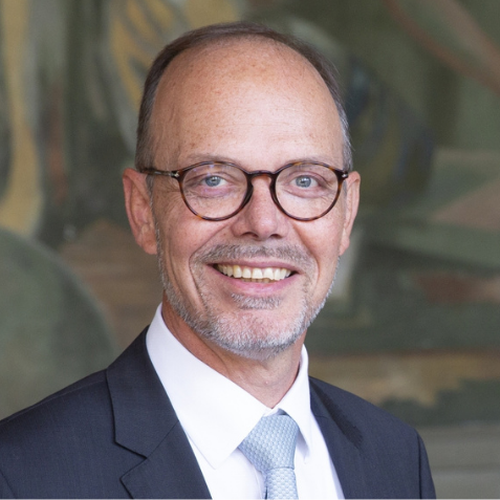
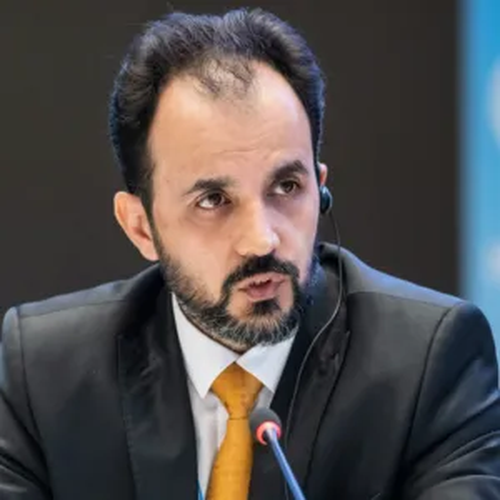
| 14.05 | Keynote speakers |
| 14.05 | High-level panel
|
| 15.00 | Coffee break and networking |
| 15.30 | Interactive workshops
|
| 17.00 | Plenary reporting back, discussion and closing remarks |
| 17.30 | Networking reception and light refreshments |
Photo credit : World Health Organization